Mil vs MM: What’s the Difference?

When you see “mil” and “mm” side by side on a product specification, they look ...
Read more
Que vs Queue: What’s the Difference?
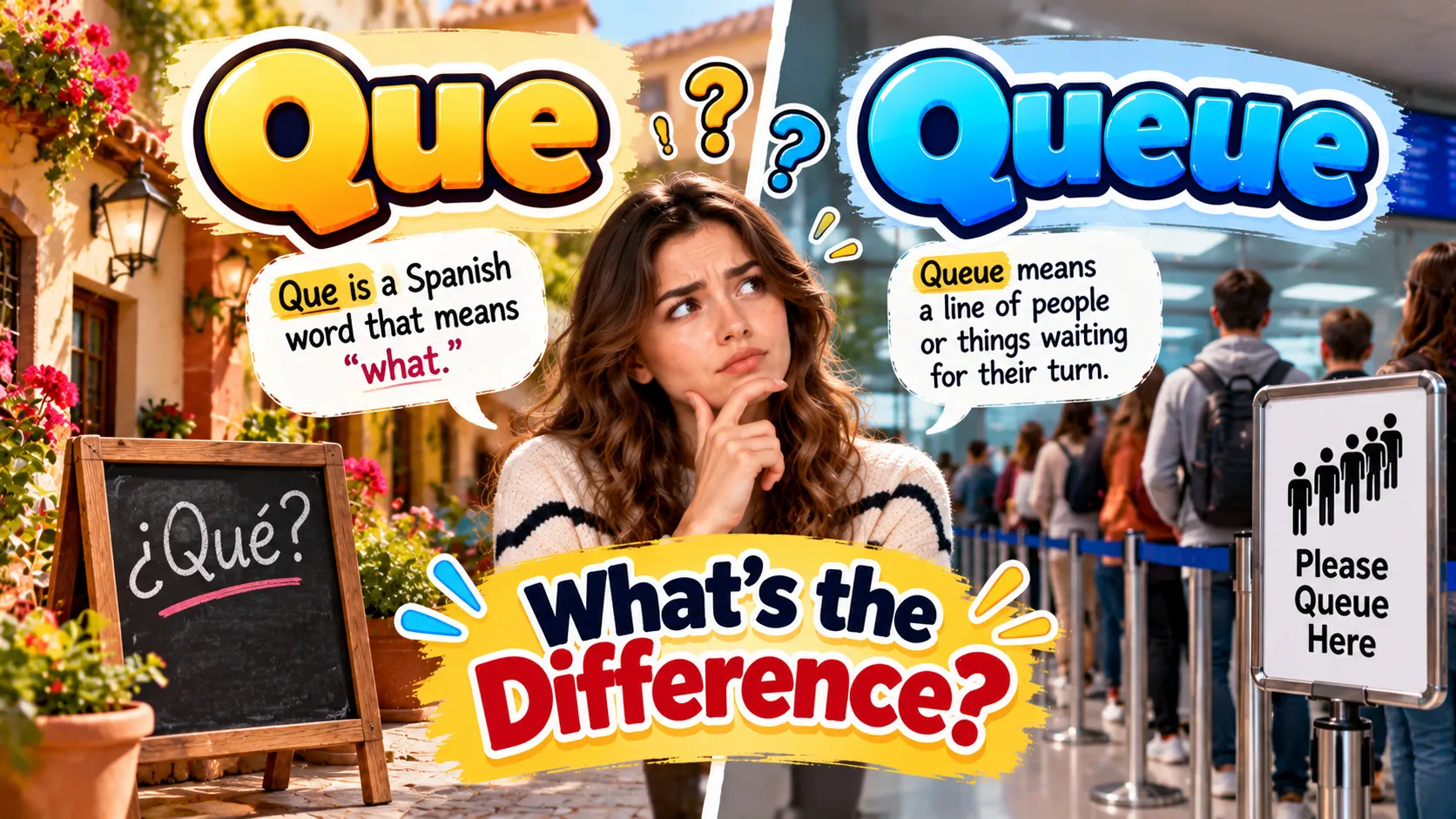
The que vs queue confusion ranks among the most common spelling errors in English. You ...
Read more
Ate vs Eaten: Meaning, Difference, and Examples

Understanding the difference between ate vs eaten can help you speak and write English more ...
Read more
Seel vs Seal: Meaning, Differences, and Examples
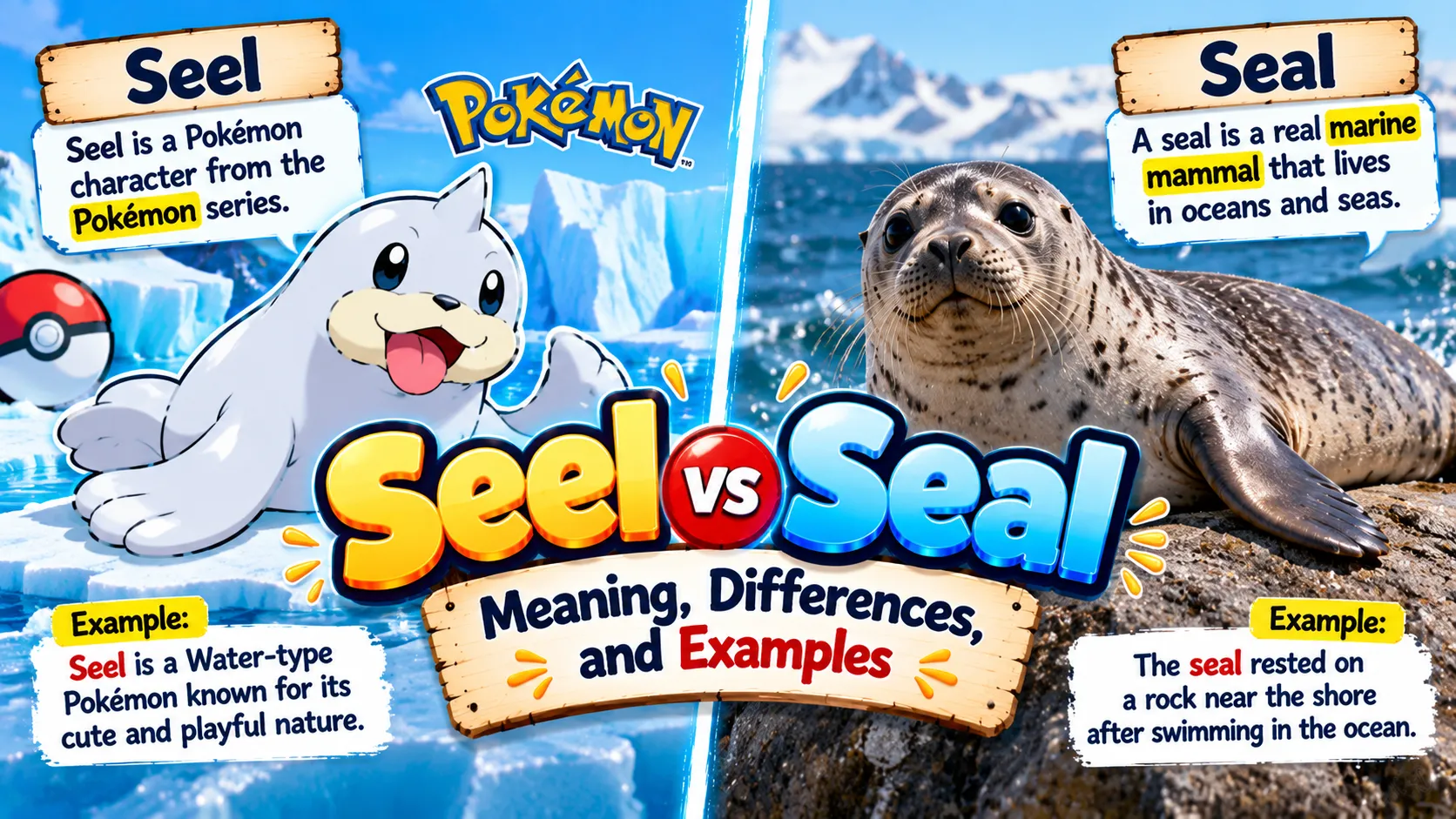
The difference between seel vs seal is mainly a matter of spelling and standard English ...
Read more
Metaphor vs Allegory: Meaning, Differences, and Examples
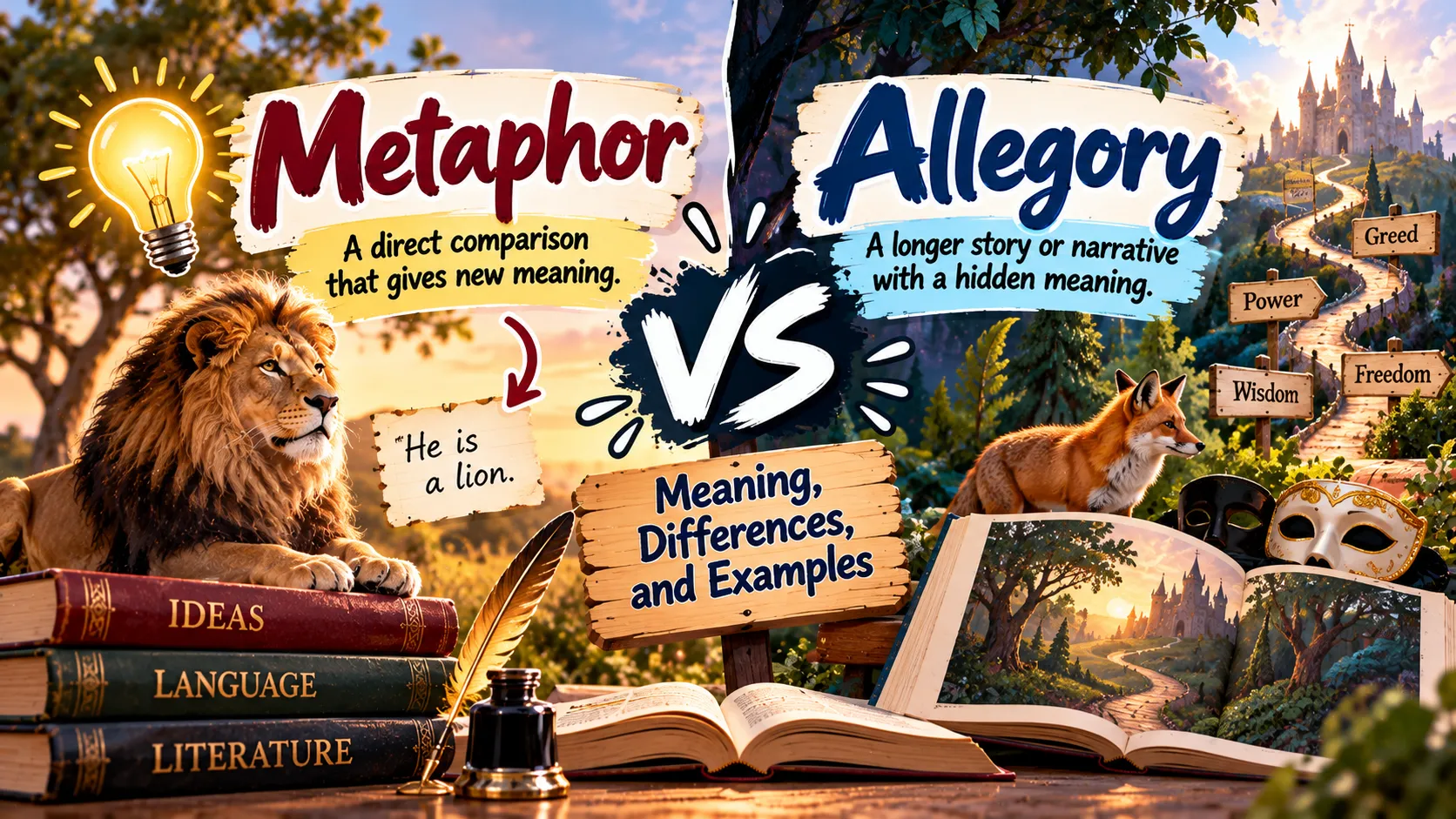
Understanding metaphor vs allegory is important for anyone studying English, literature, creative writing, or figurative ...
Read more
Less vs Fewer: Meaning, Differences, and Examples
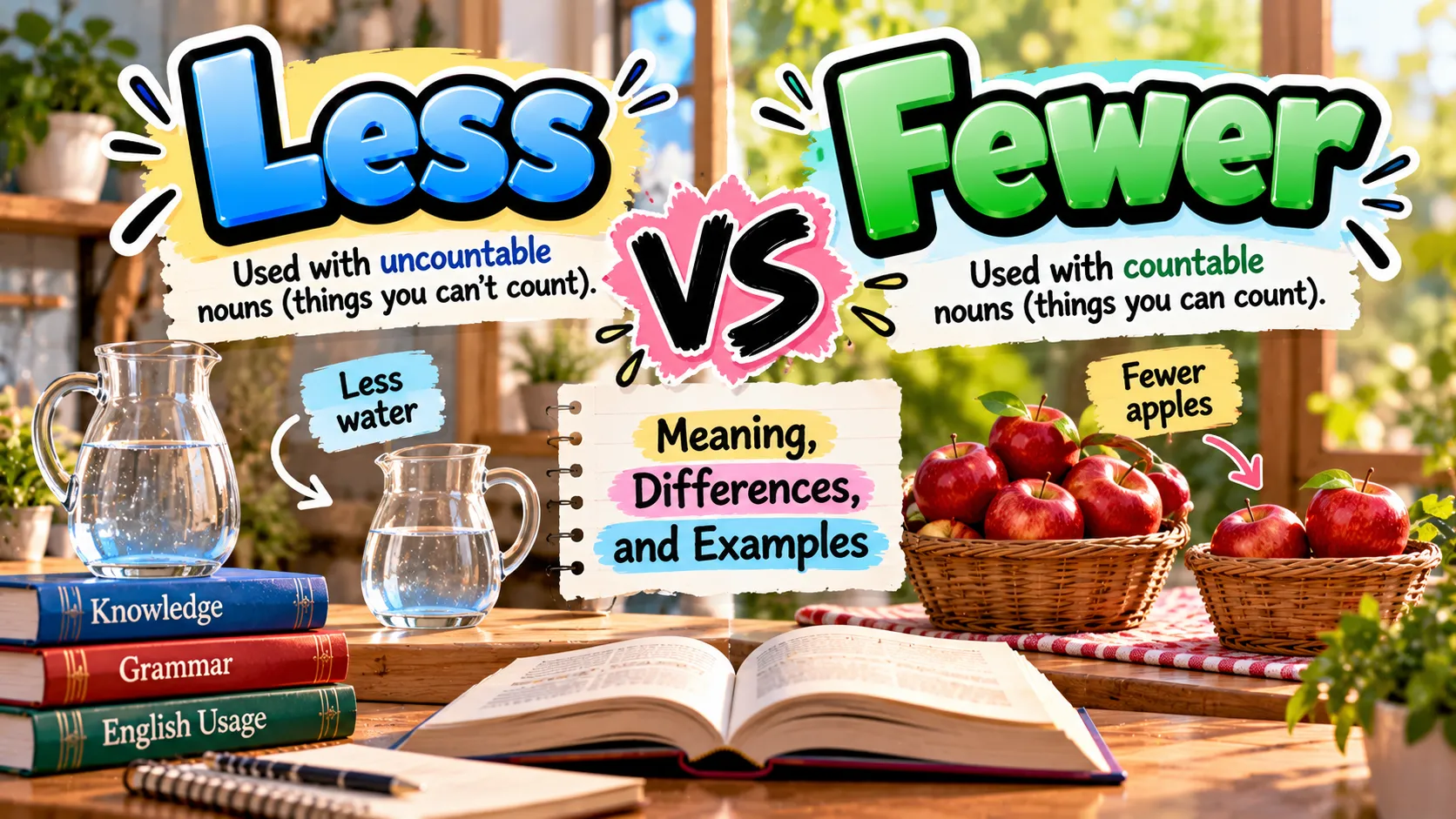
Understanding less vs fewer is essential for clear and grammatically correct English. These two words ...
Read more
Semantics vs Syntax: Meaning, Differences, and Examples
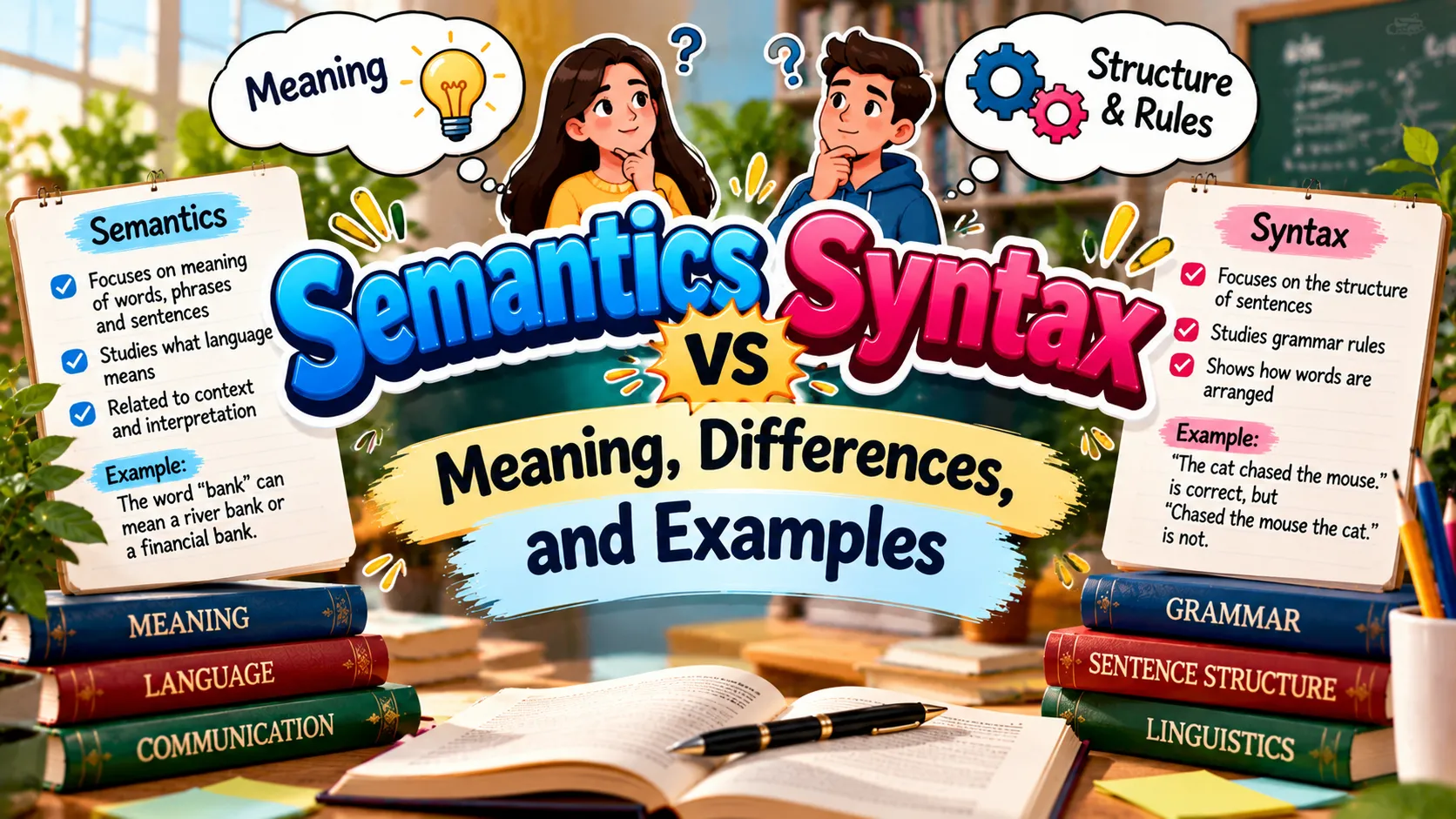
Understanding semantics vs syntax is essential for learning English grammar, improving writing skills, studying linguistics, ...
Read more
QuillBot vs Grammarly: Which Writing Tool Is Better? ✍️

Choosing between QuillBot and Grammarly can be difficult when you want to write clear, professional, ...
Read more
Continuously vs Continually: What’s the Difference?
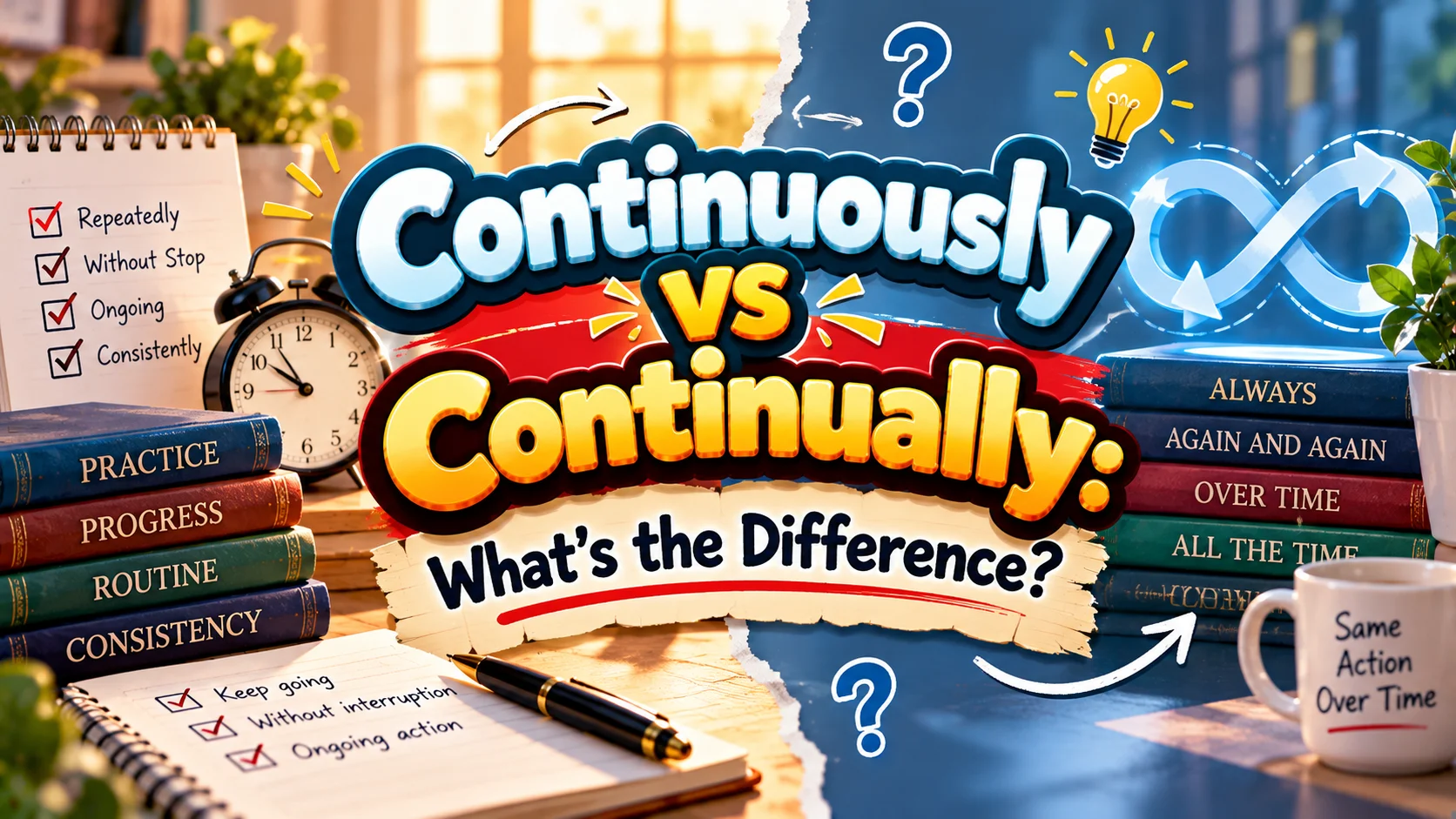
The words continuously and continually sound almost identical, and many people use them as if ...
Read more
Choice Synonyms: 60+ Alternatives to Expand Your Vocabulary
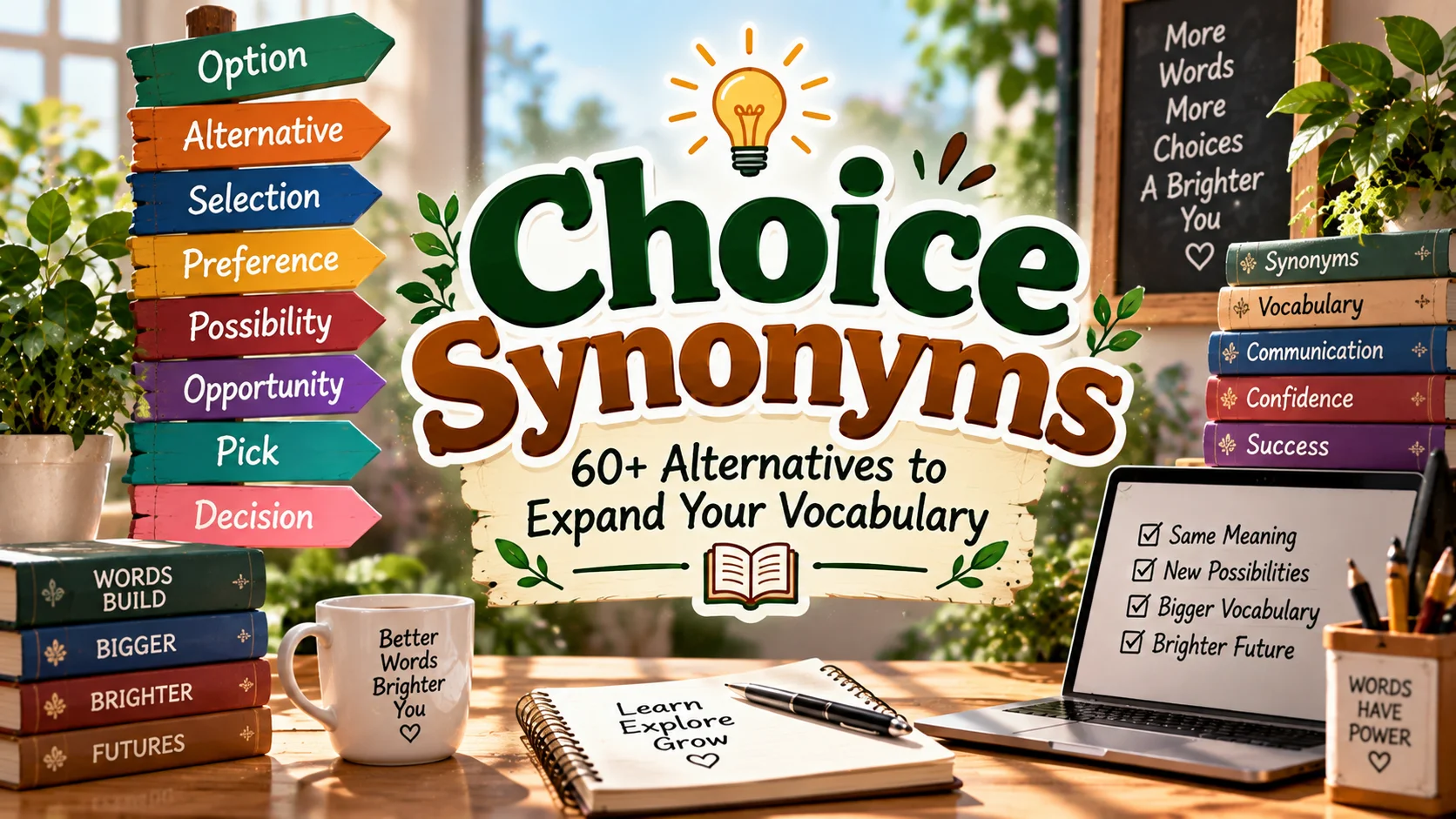
The word “choice” appears constantly in everyday English, from casual conversations to formal writing. It ...
Read more