Utter vs Udder: What’s the Difference?
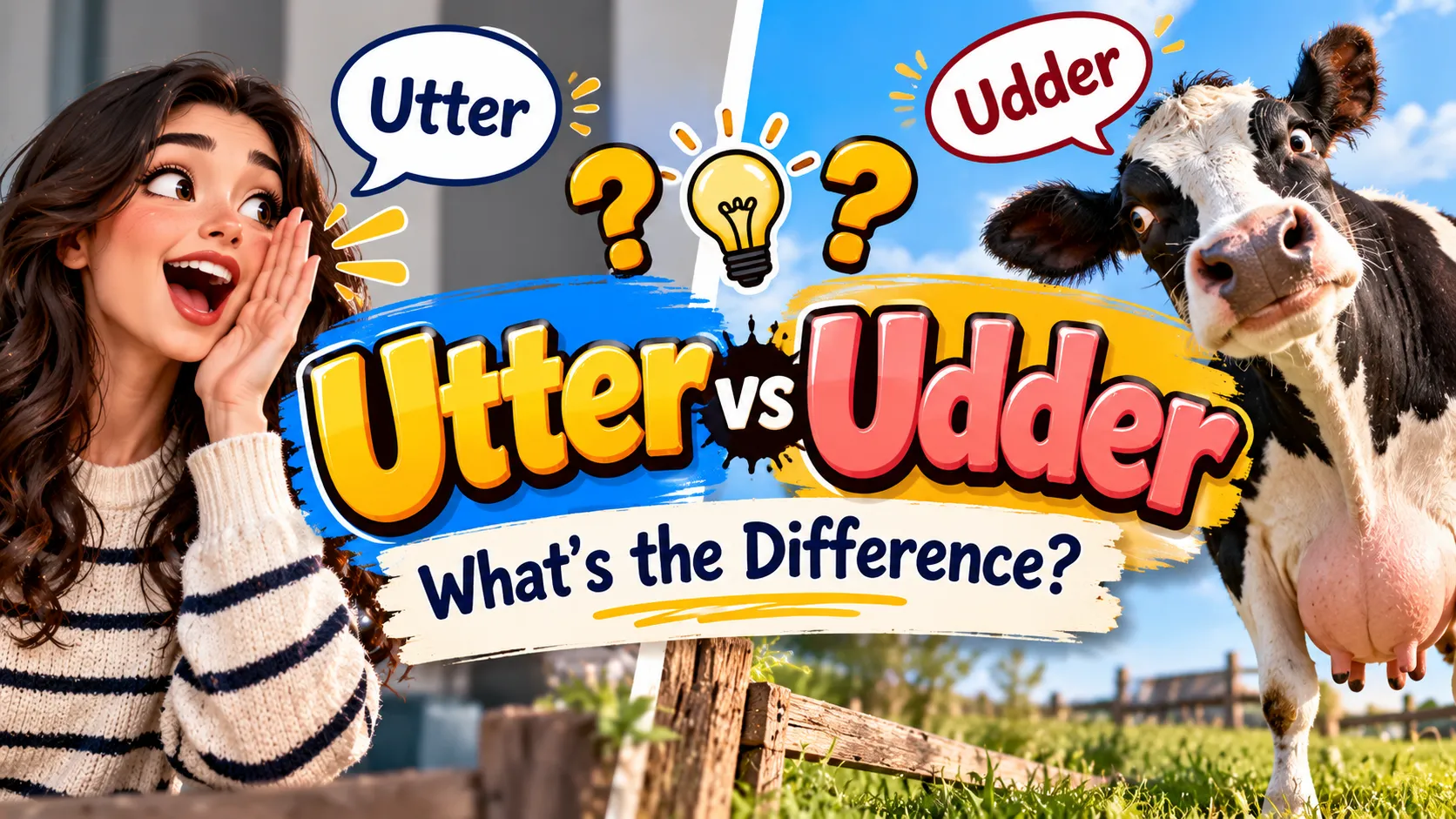
The words “utter” and “udder” sound nearly identical, yet they describe completely different things. One ...
Read more
Averse vs Adverse: What’s the Difference?
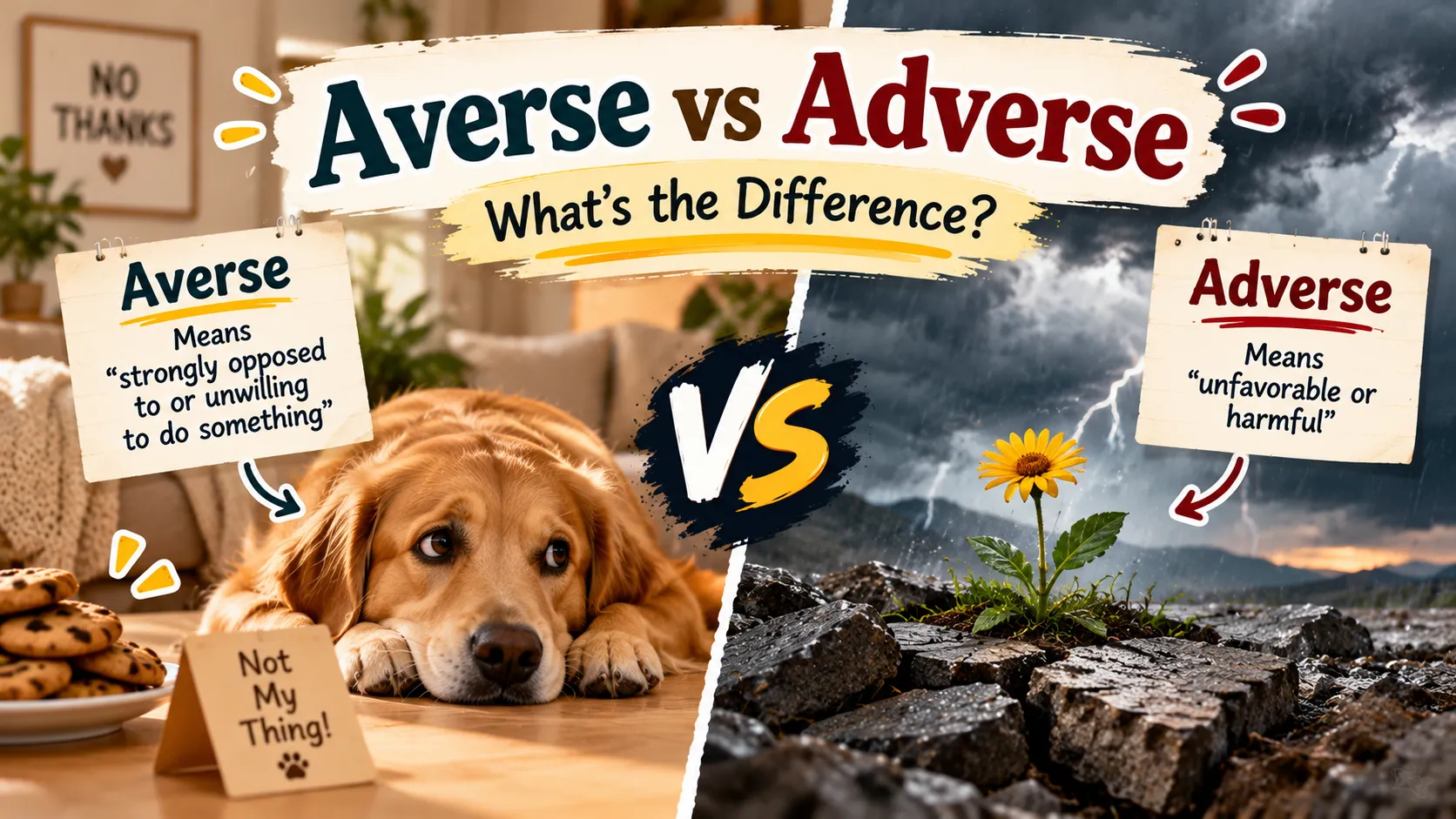
The words “averse” and “adverse” look nearly identical, sound very similar, and both involve a ...
Read more
Faze vs Phase: What’s the Difference?
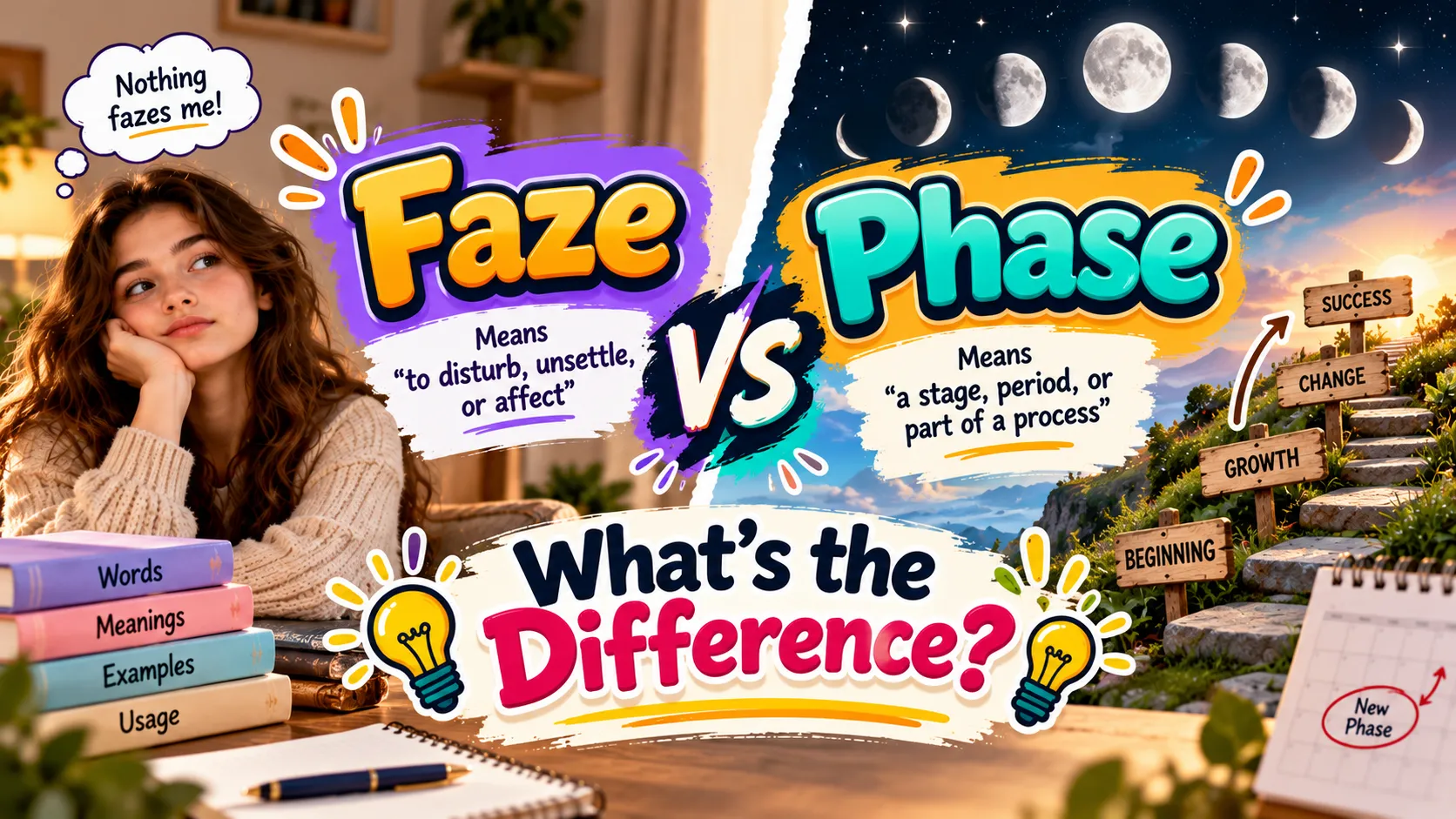
The words “faze” and “phase” sound identical, yet they serve completely different purposes in English. ...
Read more
Baring vs Bearing: What’s the Difference?
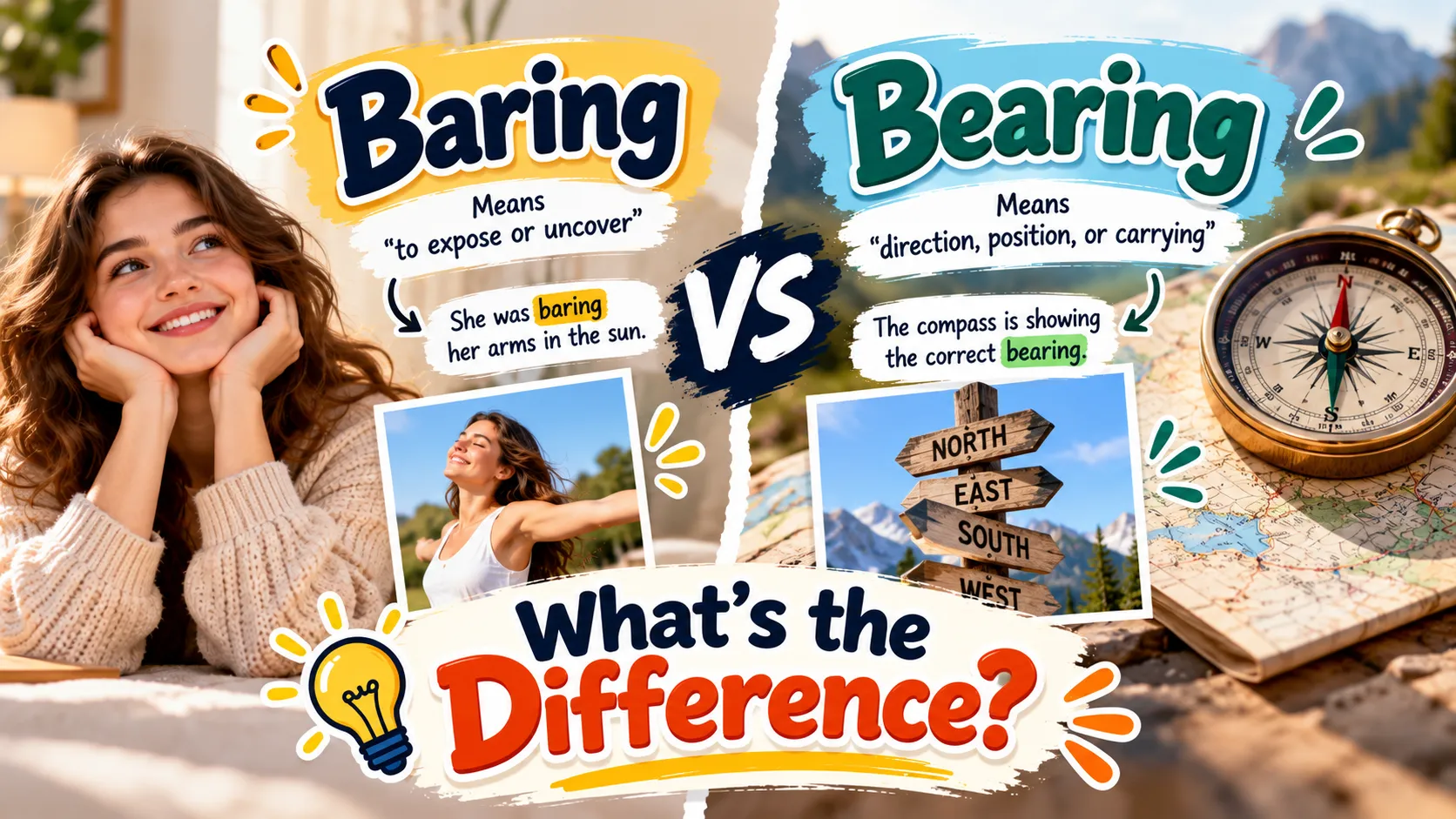
The words “baring” and “bearing” sound nearly identical, yet they carry completely different meanings. One ...
Read more
Possum vs Opossum: What’s the Difference?
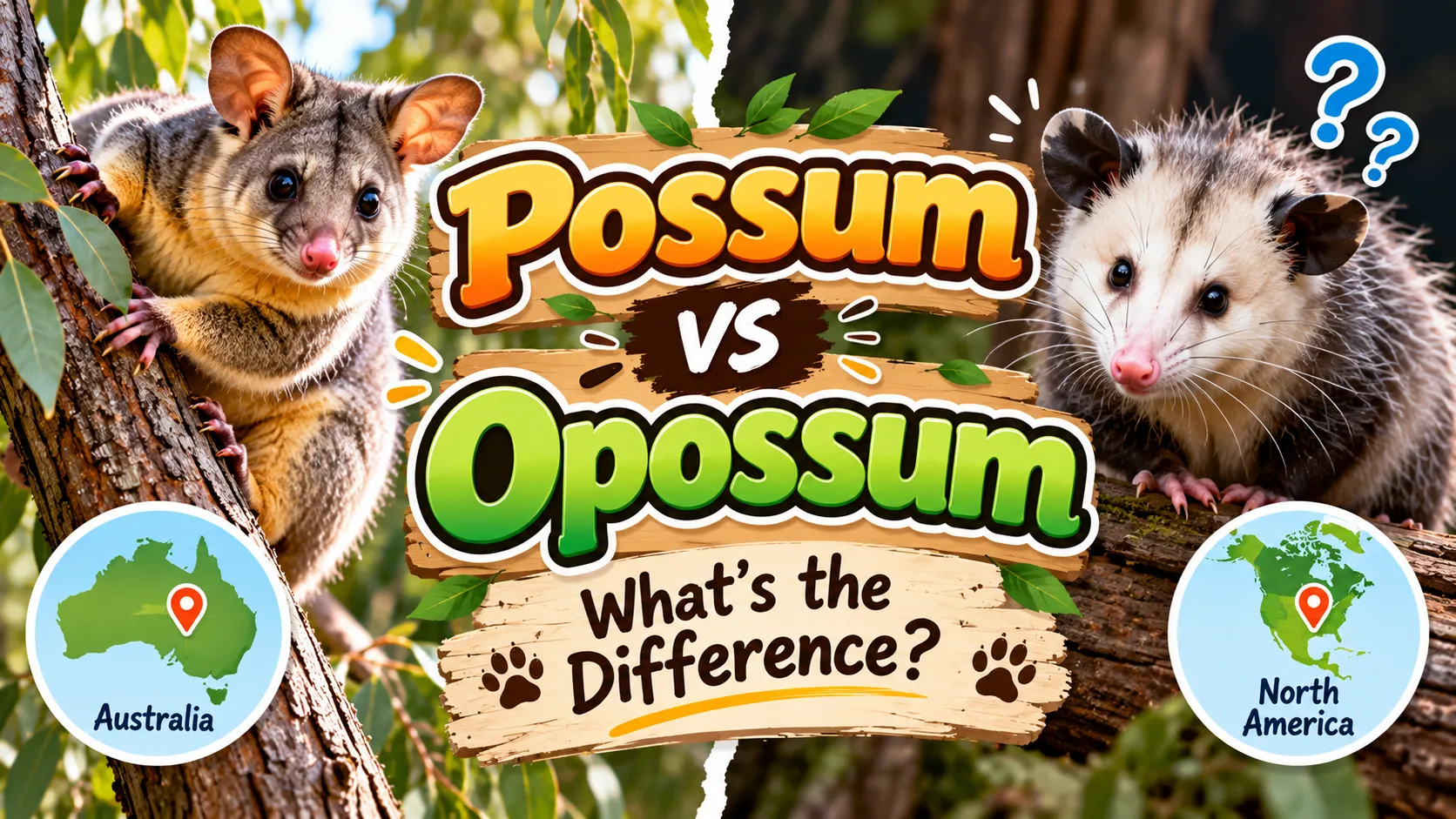
The words “possum” and “opossum” confuse even native English speakers, and for good reason. In ...
Read more
Nuisance vs Nuance: What’s the Difference?

The words “nuisance” and “nuance” look similar and sound somewhat alike, but they describe entirely ...
Read more
Recur vs Reoccur: What’s the Difference?
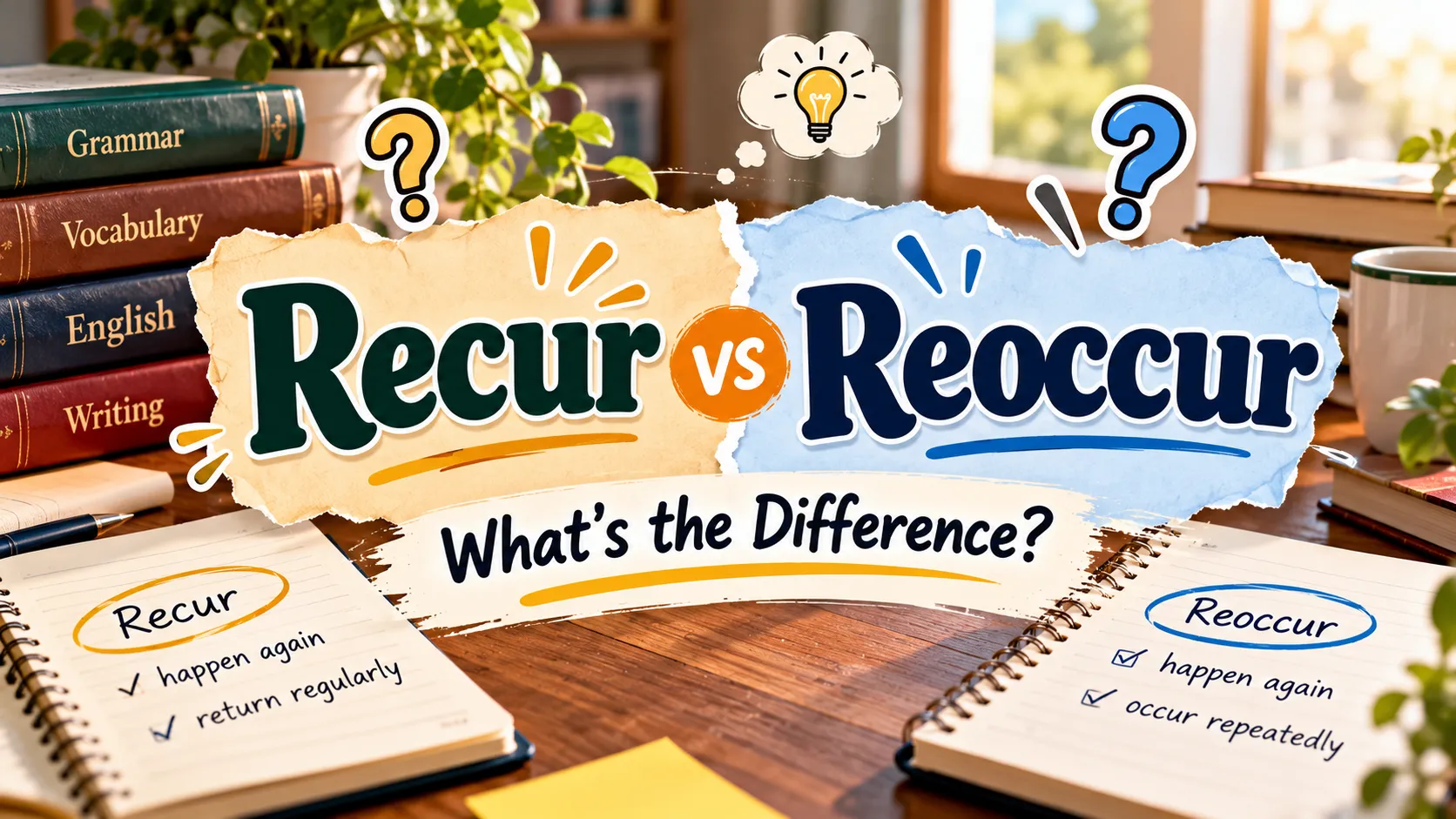
The words “recur” and “reoccur” look similar and describe similar ideas, yet careful writers distinguish ...
Read more
Accepted vs Excepted: What’s the Difference?
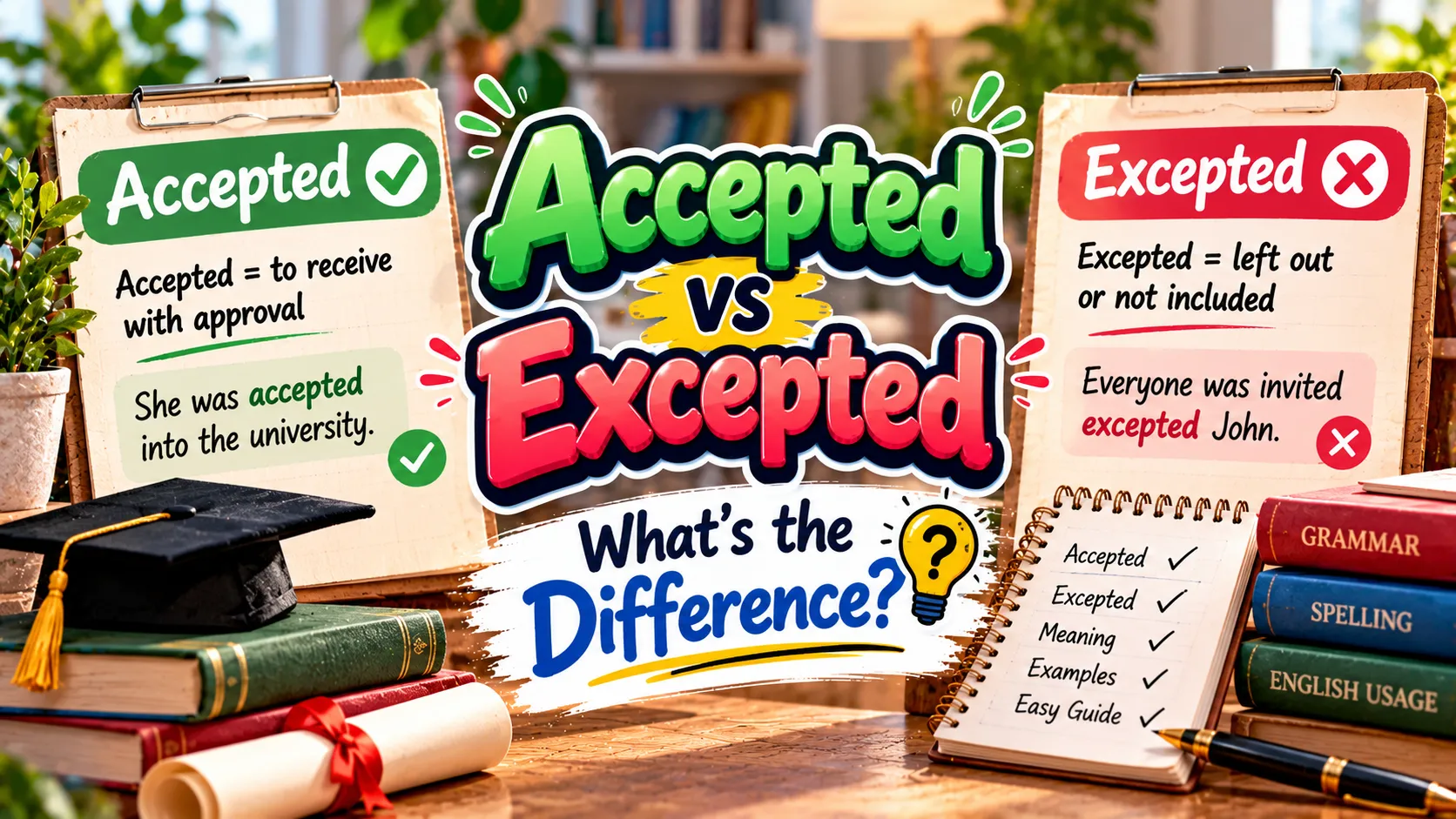
The words “accepted” and “excepted” look nearly identical, sound almost the same, and appear in ...
Read more
Insures vs Ensures: What’s the Difference?

The words “insures” and “ensures” sound almost identical and differ by only one letter, yet ...
Read more
Novel vs Book: What’s the Difference?
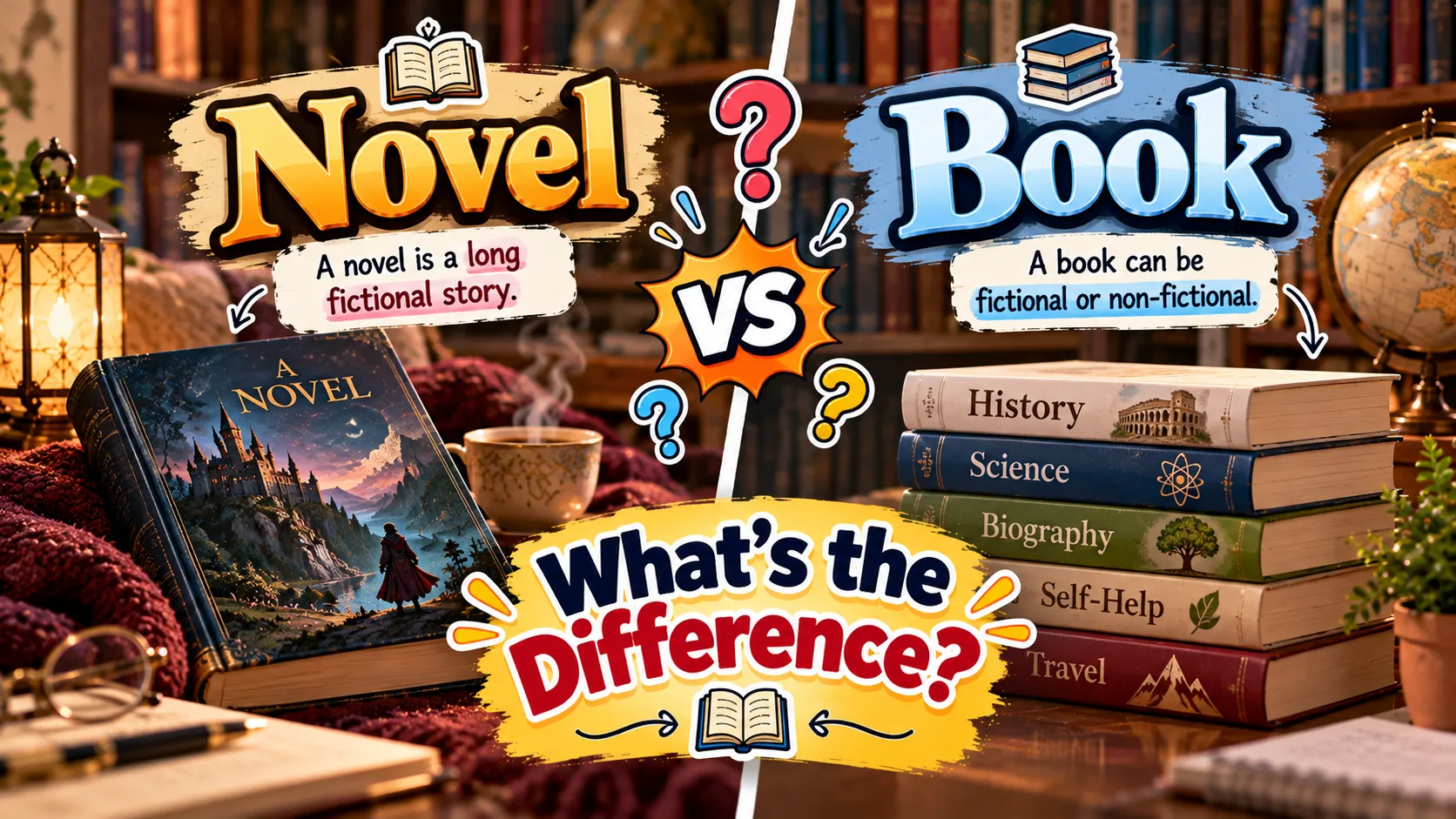
The terms “novel” and “book” often appear interchangeably in everyday conversation, yet they describe different ...
Read more